
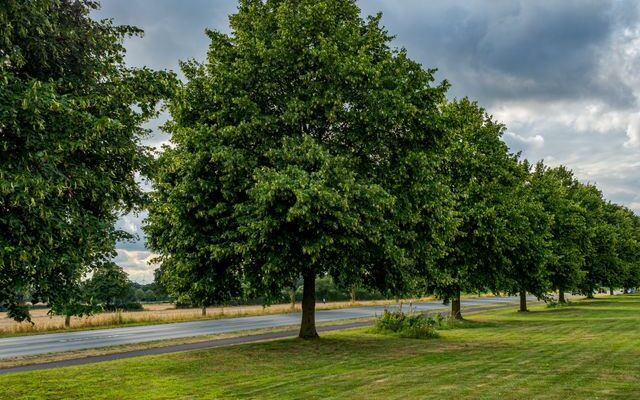
Trees Are Living Organisms
Unlike fences or buildings, trees are constantly growing and adapting to their environment. They absorb water and nutrients through their roots, transport moisture through specialized tissues, and produce food using sunlight through photosynthesis.
Every part of a tree serves a purpose. The leaves generate energy, the roots gather water and nutrients, the trunk transports resources throughout the tree, and the bark protects the living tissue beneath. Damage to any of these systems can affect the overall health of the tree.
The Importance of Healthy Roots
Roots do much more than anchor a tree into the ground. They supply water, nutrients, oxygen, and store energy for future growth. Unfortunately, many homeowners unknowingly damage root systems during landscaping projects, driveway expansions, or construction work.
Compacted soil, poor drainage, excessive mulch, and repeated vehicle traffic can all reduce root function. Since root problems often develop below the surface, visible symptoms may not appear until months or even years later.
Protecting the root zone is one of the simplest ways to preserve mature trees.
Proper Pruning Improves Tree Health
Pruning is one of the most beneficial maintenance practices when performed correctly. Removing dead, damaged, or crossing branches reduces the risk of failure while encouraging stronger structure and healthier growth.
However, excessive pruning or improper cuts can permanently weaken a tree. Tree topping, random branch removal, and cutting too close to the trunk create unnecessary stress and increase the likelihood of disease and decay.
Homeowners looking to improve tree structure should consider investing in professional tree pruning services performed according to modern arboricultural standards.
Recognizing Early Signs of Tree Stress
Trees rarely decline overnight. Instead, they often display subtle warning signs long before becoming hazardous. Paying attention to these early symptoms allows problems to be addressed before extensive damage occurs.
Some common indicators include:
- Dead or dying branches
- Premature leaf drop
- Yellowing foliage
- Peeling bark
- Cracks in the trunk
- Mushrooms growing near the base
- Leaning or shifting trunks
- Slow seasonal growth
These symptoms do not always indicate a dangerous tree, but they should be evaluated by a qualified arborist before conditions worsen.
Diseases Often Begin Before Visible Symptoms
Tree diseases frequently develop internally long before homeowners notice external changes. Fungal infections, bacterial diseases, and insect infestations can gradually weaken structural integrity while remaining largely hidden.
Early diagnosis greatly improves the chances of saving valuable trees. If you notice unusual leaf discoloration, fungal growth, cankers, or unexplained branch dieback, professional tree disease and infection services can identify the underlying cause and recommend effective treatment options.
Healthy Soil Supports Healthy Trees
Healthy soil contains oxygen, moisture, beneficial microorganisms, and nutrients that support root development. Poor soil conditions often limit tree growth even when homeowners provide regular watering.
Adding organic mulch around the base of a tree helps regulate soil temperature, retain moisture, and reduce weed competition. Mulch should always remain several inches away from the trunk to prevent excessive moisture buildup and decay.
Storm Damage Requires Professional Evaluation
After severe weather, some tree damage is immediately visible while other structural defects remain hidden. Broken limbs, split trunks, hanging branches, and compromised root systems can all create significant safety hazards.
Attempting to remove damaged limbs without proper equipment can be extremely dangerous. Professional arborists have the knowledge and tools necessary to safely evaluate storm-damaged trees while preserving those that can still recover.
When Tree Removal Becomes Necessary
Although preserving healthy trees should always be the first priority, some situations require complete removal. Trees suffering from advanced decay, severe storm damage, major root failure, or irreversible structural defects may pose unacceptable risks to nearby homes, vehicles, and pedestrians.
In these cases, choosing safe tree removal services helps eliminate hazards while protecting surrounding property during the removal process.
Routine Inspections Save Money
Many expensive tree problems can be prevented through regular inspections. Annual evaluations help identify structural weaknesses, disease symptoms, insect activity, root issues, and environmental stress before emergency situations develop.
Preventative maintenance is almost always less expensive than emergency tree removal following storm failure or advanced decline.
Final Thoughts
Understanding basic tree biology helps homeowners make smarter decisions throughout the life of their landscape. Healthy roots, proper pruning, disease prevention, and routine inspections all contribute to stronger, safer, and longer-living trees.
Whether you’re maintaining mature shade trees or caring for newly planted specimens, investing in professional arboricultural care ensures your trees continue providing beauty, safety, and environmental benefits for many years to come.