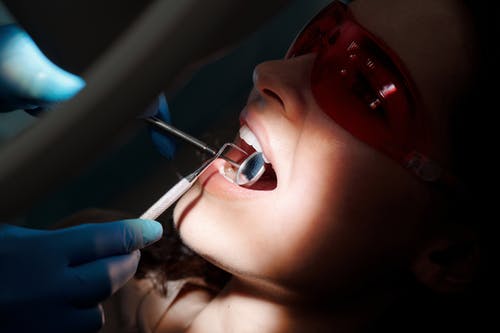

Food choices affect far more than a person’s energy level or waistline. The mouth is where eating begins, and it is also where the effects of frequent sugar, acid, dehydration, and poor nutrition can show up early. Tooth enamel is continually exposed to whatever we sip, snack on, and eat. Meanwhile, gum tissue depends on a steady supply of nutrients and adequate saliva to stay resilient.
There is no single food that makes teeth invincible, and a nutritious diet cannot replace brushing, flossing, or professional care. Still, choosing foods that support enamel, saliva flow, and healthy soft tissue can make everyday oral care more effective. The most useful approach is less about finding a miracle ingredient and more about building meals and snacks that give the mouth a chance to recover between exposures.
Start with the daily forces working on teeth
Teeth face two especially important dietary challenges: acids and fermentable carbohydrates. Acids can temporarily soften the outer enamel surface. They may come directly from citrus fruit, vinegar, fizzy drinks, wine, sports drinks, and many flavored beverages. Bacteria in dental plaque can also create acid after using sugars and starches from food as fuel. Over time, frequent acidic conditions can increase the risk of cavities and enamel wear.
Frequency matters as much as the food itself. Slowly sipping a sweetened coffee all morning, grazing on crackers throughout the afternoon, or repeatedly having sour candy creates many separate opportunities for acid exposure. Having a food as part of a balanced meal is often easier on teeth than returning to it over and over between meals. Water, a pause between snacks, and a consistent cleaning routine all help the mouth reset.
Calcium-rich foods help support enamel
Calcium is widely associated with bones, but it also has an important connection to teeth. Foods such as plain yogurt, milk, cheese, calcium-set tofu, canned fish with edible bones, and leafy greens can contribute calcium to an overall balanced diet. Dairy foods are often convenient options because they also contain phosphorus, another mineral involved in tooth structure.
Cheese and unsweetened dairy can be particularly practical after a meal because they are generally low in sugar and may encourage saliva flow. That does not mean everyone needs to eat dairy. People who avoid it can look for fortified plant beverages and other calcium-containing foods, while checking labels for added sugar. The goal is to choose nourishing options that fit individual dietary needs rather than force a one-size-fits-all food plan.
Phosphorus and protein deserve a place on the plate
Phosphorus works alongside calcium in the mineral structure of teeth and bones. It is found in many everyday foods, including eggs, fish, poultry, meat, beans, lentils, nuts, seeds, and dairy products. Because it appears in such a wide range of foods, many people can obtain it through varied meals without treating it as a special add-on.
Protein foods can also make snacks more satisfying than highly refined carbohydrates alone. For example, pairing an apple with nut butter, choosing hummus with vegetables, or eating plain yogurt with berries can help reduce the habit of reaching for sugary snacks again soon afterward. These combinations are not magic for teeth, but they can support steadier eating patterns and give the mouth fewer repeated sugar exposures during the day.
Crunchy produce can encourage saliva flow
Fresh vegetables and fruits provide water, fiber, and a range of nutrients that support general health. Crisp options such as carrots, celery, cucumber, apples, and pears require chewing, which can stimulate saliva. Saliva is one of the mouth’s most helpful built-in defenses because it washes away food particles, buffers acids, and delivers minerals that help the enamel surface recover after normal daily challenges.
It is worth keeping expectations realistic. Crunchy produce does not “scrub” teeth clean enough to substitute for a toothbrush, and dried fruit is not equivalent to fresh fruit from an oral-health perspective. Raisins, dried mango, fruit leathers, and similar products can be sticky and concentrated in sugar. Fresh fruit is generally the easier choice for a snack, especially when eaten in a sitting rather than picked at for an extended period.
Vitamin C supports gum tissue, but timing still matters
Healthy gums need the same broad nutritional support as the rest of the body, and vitamin C is one nutrient associated with normal connective tissue health. Bell peppers, broccoli, strawberries, kiwifruit, tomatoes, citrus, and potatoes can all contribute vitamin C. A colorful plate is often a useful shorthand for dietary variety, since different fruits and vegetables bring different nutrients and textures.
Some vitamin C sources, particularly citrus fruits and juices, are acidic. There is no need to avoid them if they work well in a person’s diet, but it is sensible to have them with a meal and avoid lingering over acidic drinks. After eating or drinking something acidic, rinsing with water is a gentle option. Brushing immediately afterward may be uncomfortable for softened enamel, so waiting a little while before brushing is often a more tooth-friendly habit.
Choose drinks that protect the mouth between meals
Water is usually the simplest beverage for oral health. It hydrates the body without feeding cavity-causing bacteria, and drinking it after meals or snacks can help clear the mouth. For people whose local tap water contains fluoride, it may also offer an added source of that enamel-supporting mineral. Individual water supplies differ, so anyone relying on well water or another private source can ask a local health professional about fluoride guidance.
Many drinks that seem wholesome can still be hard on teeth when consumed frequently. Juice, sweetened iced tea, flavored coffee drinks, sodas, energy drinks, and sparkling beverages can contain sugar, acid, or both. Even unsweetened sparkling water is acidic enough that constant sipping is not ideal for enamel. Enjoying these drinks occasionally with food, rather than nursing them for hours, is often a meaningful change without turning eating into a list of prohibitions.
Be mindful of sticky, starchy, and slowly eaten snacks
Candy is an obvious concern, but it is not the only food that can linger in the mouth. Crackers, chips, white bread, sweetened cereal, cookies, and chewy snack bars can break down or stick around in grooves and between teeth. The issue is not that these foods must never be eaten. It is that frequent, isolated snacking gives oral bacteria repeated access to carbohydrates without enough recovery time.
A more protective pattern is to reserve these foods for meals when possible, then follow the meal with water and regular oral hygiene later. If a snack is needed, cheese, vegetables, nuts when safe to chew, plain yogurt, or fresh fruit can often be easier choices for teeth than sticky sweets. People with braces, crowns, loose restorations, or jaw pain may need to adapt food textures, so comfort and dental advice should guide the selection.
Build meals around balance instead of perfection
A tooth-supportive meal can be very ordinary: eggs with vegetables and whole-grain toast, a bean-and-vegetable soup with cheese, fish with greens and potatoes, or a grain bowl with tofu, beans, and crunchy produce. These meals combine protein, minerals, fiber, and water-rich foods. They also tend to be more filling than meals built mostly from refined carbohydrates and sweetened drinks.
Planning matters because the best choice is often the one that is available when hunger hits. Keeping washed vegetables, unsweetened yogurt, cheese, fruit, hummus, or nuts on hand can make it easier to avoid continuous grazing on packaged snacks. For children, simple routines such as offering water between meals and limiting sugary drinks to occasional meal-time treats can protect teeth without making food feel stressful or punitive.
Recognize when food changes are not enough
Nutrition can support oral health, but it cannot repair a deep cavity, replace a broken filling, or treat an infection. Severe tooth pain, facial swelling, uncontrolled bleeding, a knocked-out tooth, or a broken tooth after an injury should be assessed promptly. In those situations, searching for emergency dentistry in Westport can help a person identify appropriate urgent-care options rather than trying to manage a potentially serious problem with home remedies.
Less dramatic symptoms also deserve attention when they persist. Bleeding gums, ongoing bad breath, tooth sensitivity, pain while chewing, or a change in how teeth fit together can signal an issue that diet alone will not solve. Regular examinations and cleanings help identify concerns before they become more complicated, while a nutritious eating pattern supports the care provided in the dental chair.
Protect dental work with sensible food habits
People with fillings, crowns, veneers, bridges, implants, dentures, or orthodontic appliances may benefit from paying extra attention to texture and timing. Very hard foods, ice, popcorn kernels, and using teeth to open packaging can chip or loosen dental work. Sticky foods can be troublesome around braces or removable appliances. A clinician can give tailored instructions based on the type of restoration and the condition of the surrounding teeth and gums.
For routine prevention and questions about how a particular restoration affects eating, patients can speak with this dental office in Westport or another local dental professional they trust. Advice is especially useful when sensitivity begins after a new crown or filling, when food repeatedly gets trapped in one spot, or when chewing has changed. Addressing those issues early can help preserve both comfort and the dental work itself.
Cosmetic goals still depend on healthy foundations
It is natural to care about the appearance of a smile, but whitening products and cosmetic treatments work best when basic oral health is addressed first. Dark drinks, tobacco, and strongly pigmented foods can contribute to surface staining over time. Drinking water after coffee, tea, or red wine may reduce residue, but aggressive scrubbing and abrasive home methods can harm enamel or irritate gums.
Anyone considering appearance-focused treatment should discuss sensitivity, gum health, decay, and existing restorations before making changes. A Westport cosmetic dentist can explain which options are appropriate for an individual smile and which habits will help maintain results. In practical terms, nutritious meals, water, gentle brushing with fluoride toothpaste, and cleaning between teeth remain the everyday habits that make a healthy-looking smile easier to sustain.
Make the mouth-friendly choice the easy choice
The strongest eating pattern for teeth and gums is usually one that supports the whole body: varied vegetables and fruits, adequate protein, mineral-rich foods, limited added sugars, and water as the default drink. It leaves room for favorite foods while reducing the constant acid and sugar exposure that can wear teeth down. Consistency matters more than attempting to eat perfectly.
Pair those food habits with twice-daily brushing using fluoride toothpaste, daily cleaning between teeth, and routine dental visits. When meals are balanced and snacks are intentional, the mouth spends less time under attack and more time recovering. That is a practical, sustainable way to support stronger teeth and healthier gums at every age.