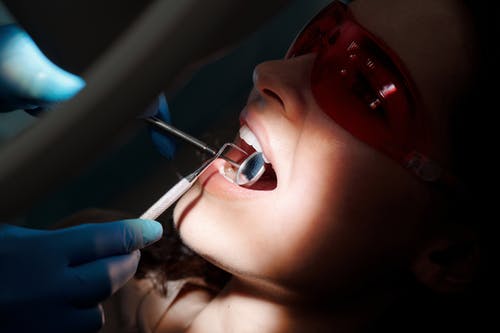

Acid reflux is usually discussed as a digestive concern: a burning sensation in the chest, a sour taste, or discomfort after eating. But the mouth can be one of the places where its effects become visible. When stomach contents repeatedly reach the throat and mouth, they can expose teeth to acid that is much stronger than the acids created by ordinary dietary sugars. Over time, that exposure can change the surface, shape, sensitivity, and appearance of teeth.
The connection is easy to miss because enamel erosion often develops gradually. A person may notice that cold water suddenly hurts, that their teeth look more yellow, or that the edges of their front teeth seem less crisp. These changes can have several causes, so they are not proof of reflux by themselves. Still, understanding the pattern can help people raise useful questions with both their dental and medical care providers.
Why stomach acid creates a dental concern
Enamel is the hard outer layer of a tooth, and it is remarkably durable. It is not, however, indestructible. Acids can soften and dissolve minerals from its surface. In the case of reflux, the acid originates in the stomach and may travel upward into the esophagus, throat, and mouth. This can happen with noticeable heartburn, but it may also occur with less obvious symptoms, including nighttime reflux or so-called silent reflux.
Saliva offers important protection by rinsing away acids and helping restore minerals to tooth surfaces. The problem is one of repeated exposure. If acid reaches the mouth often, saliva may not have enough time to bring the oral environment back into balance before the next episode. A dry mouth, mouth breathing, certain medications, and limited saliva flow can make that protective process less effective.
Erosion is different from a cavity
Tooth decay and erosion can look similar at first because both may involve sensitivity or visible damage. A cavity usually develops when oral bacteria use sugars from food and drink, producing acids that gradually weaken a localized area of tooth structure. Erosion, on the other hand, is direct chemical wear from acid exposure that does not require bacterial activity. Reflux is one potential internal source of that acid.
This distinction matters because prevention is not identical. Brushing, flossing, and reducing frequent sugary snacks remain essential for cavity prevention. Yet someone with reflux-related erosion may have excellent hygiene and still see enamel wear. Their care plan may also need to address reflux management, timing of oral care after an episode, saliva support, and protection for surfaces that are already vulnerable.
Early changes that are easy to overlook
Sensitivity is among the most common early clues. Cold drinks, hot foods, sweet items, or even a breath of cold air may create a brief sharp sensation. This happens when enamel becomes thinner and the inner layers of the tooth are less insulated. Sensitivity can also come from gum recession, cracks, cavities, or aggressive brushing, which is why it deserves a dental evaluation rather than self-diagnosis.
Another subtle sign is a change in tooth color. Enamel is somewhat translucent, so as it thins, the naturally darker dentin beneath it may become more visible. Teeth can then appear more yellow, even when they are clean. Surface texture may change as well. Teeth that once felt smooth can seem slightly rough, while biting edges may begin to look glassy, translucent, or worn.
Patterns a dentist may notice during an exam
Reflux-related wear often affects areas that receive acid exposure from inside the mouth, including the tongue-facing surfaces of upper teeth and chewing surfaces of back teeth. The exact pattern varies from person to person. Food and drink acids, brushing technique, grinding, bite forces, and saliva flow can all alter how and where tooth surfaces wear down.
A dental exam may reveal shallow cupping on chewing surfaces, flattened areas, thinning edges, or restorations that appear to stand slightly higher than the surrounding tooth. Fillings and crowns do not erode in the same way as natural enamel, so they can make surrounding loss of tooth structure easier to see. Photographs, digital scans, and comparison over routine visits can help a dental team observe whether wear is stable or progressing.
When reflux symptoms are not obvious
Not everyone who experiences reflux has classic heartburn. Some people mainly notice a persistent sour taste, throat clearing, hoarseness, chronic cough, trouble swallowing, or a sensation of a lump in the throat. Others have symptoms mainly while lying down and may not connect them to their teeth. Dental changes can sometimes be one reason to consider whether reflux is playing a role.
It is important not to assume that every episode of sensitivity or enamel wear is caused by reflux. Frequent citrus intake, carbonated drinks, sports drinks, vinegar-based foods, eating disorders, vomiting from illness, certain workplace exposures, and dry mouth can contribute to erosion too. A dentist can assess the oral pattern, while a physician can evaluate digestive symptoms and advise on appropriate medical care.
What to do after an acid exposure
A natural instinct after tasting acid in the mouth is to brush immediately. That may not be the best first move. Acid can temporarily soften the outer tooth surface, and vigorous brushing straight afterward can add mechanical wear. Instead, rinse gently with plain water. Some people also find that drinking water helps clear the unpleasant taste and supports normal saliva flow.
Give the mouth time to recover before brushing, then use a soft-bristled toothbrush and fluoride toothpaste. The ideal timing can vary with individual circumstances, so a dentist can offer personalized guidance. Chewing sugar-free gum may stimulate saliva for people who can safely use it, but it does not replace a reflux treatment plan or routine dental care. Avoiding repeated brushing with abrasive products is particularly important when erosion is already present.
Daily habits that can reduce added enamel stress
For someone concerned about reflux and dental erosion, the goal is not perfection. It is to reduce the total acid burden on teeth where practical. Sipping acidic beverages for long periods, slowly sucking on citrus, or repeatedly grazing on sour foods keeps teeth in an acidic environment longer than having those items with a meal. Water is generally a tooth-friendly choice between meals and after acidic foods or drinks.
Reflux management also belongs in the wider conversation. A medical professional may discuss meal timing, trigger patterns, sleeping position, medication considerations, or further evaluation based on symptoms and health history. Do not stop or start medication solely because of a dental concern. Coordinated care is useful because the dental team can protect tooth structure while the medical team investigates what may be driving repeated acid exposure.
Why cleaning appointments still matter when erosion is the issue
Dental cleanings cannot rebuild enamel that has already dissolved, but they remain valuable. Plaque and tartar removal supports gum health, and regular exams allow a clinician to check for cavities, cracks, gum recession, bite changes, and progression of wear. Someone looking for professional dental cleaning houston may benefit from asking whether the appointment includes an assessment of sensitivity and enamel wear, especially if reflux symptoms are part of the picture.
At-home care matters just as much between visits. Fluoride toothpaste can help strengthen remaining enamel and reduce sensitivity for many people. A dental professional may recommend a fluoride varnish, a higher-fluoride product, or other protective measures depending on the level of risk. These choices should be individualized, particularly for people with extensive restorations, dry mouth, active decay, or significant enamel loss.
Appearance changes deserve a careful conversation
Yellowing, uneven edges, and a duller surface can make people consider cosmetic treatment. It is sensible to identify the cause of color change first. Whitening can improve the color of many teeth, but it does not restore enamel thickness, correct erosion-related shape changes, or change the shade of existing crowns and fillings. It can also temporarily increase sensitivity in some individuals.
Before pursuing teeth whitening services houston, a dental examination can help determine whether sensitivity, untreated decay, gum irritation, exposed dentin, or active erosion should be addressed first. If whitening is appropriate, the dentist can discuss realistic outcomes and ways to manage sensitivity. If shape and structural loss are the bigger concerns, other restorative options may be more relevant than whitening alone.
The role of gums when teeth feel sensitive
Acid is not the only reason that teeth may feel longer, more sensitive, or less protected near the gumline. Gum recession can expose root surfaces, which do not have the same enamel covering as the crown of the tooth. Inflammation from plaque buildup may also cause bleeding, tenderness, persistent bad breath, or changes in how gums fit around teeth. These concerns can exist alongside reflux, but they require their own assessment.
If gums bleed during brushing or flossing, appear swollen, or have pulled away from teeth, it is worth arranging an evaluation rather than assuming reflux explains everything. A gum disease dentist houston can assess periodontal health and discuss treatment options when gum disease is present. Addressing gum inflammation can improve comfort and help preserve the support structures that keep teeth stable over time.
How clinicians protect teeth that are already worn
The best approach depends on the extent and pace of erosion. When changes are mild, the priority may be monitoring, sensitivity management, fluoride support, and reducing ongoing acid exposure. A dentist may document tooth surfaces with photographs or scans so that subtle changes can be compared over time. This is often more informative than relying on memory alone.
When tooth structure has been significantly lost, treatment may focus on restoring function and reducing the risk of fractures. Bonding, fillings, onlays, crowns, or other restorative approaches may be considered based on which surfaces are affected and how the teeth come together when biting. If nighttime grinding is also involved, a protective appliance may be discussed. Restorative work lasts best when the underlying acid exposure and bite forces are managed as well as possible.
Questions to bring to a dental and medical visit
Clear observations are useful. Note when sensitivity occurs, whether it follows meals or nighttime symptoms, what foods and drinks seem to trigger discomfort, and whether you notice sour taste, coughing, throat irritation, or sleep disruption. Mention vomiting, dry mouth, new medications, and changes in oral hygiene habits. This context helps clinicians consider the full range of possible causes instead of focusing on a single symptom.
Ask whether there are signs of erosion, where they are located, and whether the changes appear active. You can also ask which daily products are appropriate for your teeth, whether fluoride or desensitizing treatment would help, and when you should return for monitoring. If reflux symptoms are frequent, worsening, or accompanied by swallowing difficulty, chest pain, unexplained weight changes, or other concerning symptoms, seek prompt medical guidance.
Protecting enamel is a long-term process
Enamel does not grow back once it is lost, which is why early recognition matters. That does not mean every small change requires extensive treatment. In many cases, practical habit adjustments, medical attention for reflux, and regular dental monitoring can slow or stop further damage. The right plan is usually a combination of protecting what remains and dealing with the factors causing repeated acid contact.
Pay attention to small changes in sensitivity, texture, tooth color, and the way your bite feels. A dentist can help distinguish normal variation from signs that need attention, while a medical clinician can address reflux itself. Acting on both sides of the problem gives teeth, gums, and the rest of the digestive system the best chance of staying comfortable and healthy.